APLA Hosts a Training Programme to Enhance LGUs Capacities in Local Heritage Management
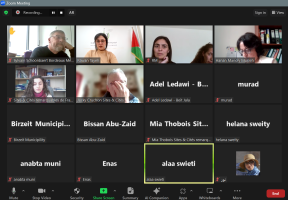
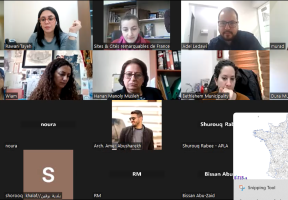
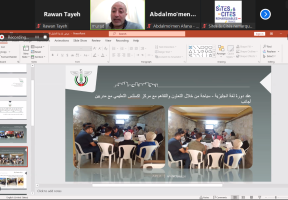
The Association of Palestinian Local Authorities (APLA) concluded a training programme on the management of cultural heritage. Involving 24 employees representing relevant departments at local government units (LGUs), the event was part of the Strengthening LGU Capacities in Local Heritage Conservation Project, implemented by APLA in collaboration with the Sites & Cités remarquables de France [French National Association of Remarkable Sites and Cities].
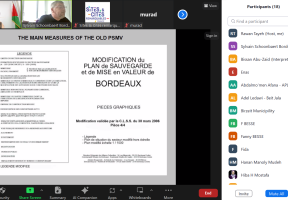
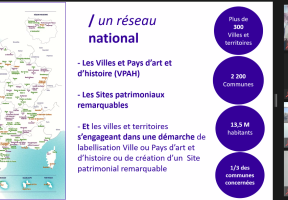
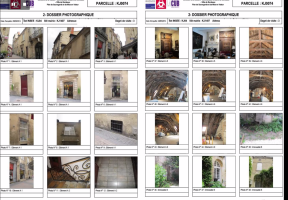
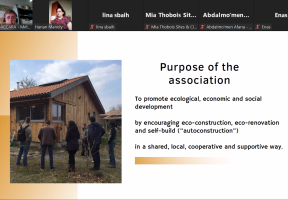
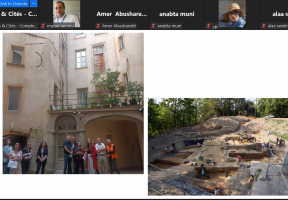
The programme included six training sessions that addressed a range of critical issues of heritage conservation. Heritage laws in Palestine and France were presented to provide a deeper understanding of the legal framework regulating heritage in both countries. The presentation covered the importance of inventories in developing instructions on local heritage, raising community awareness about the significance of heritage, and promoting the sense of heritage ownership among community members. Training sessions featured other themes on the creation of active partnerships for heritage management and conservation between relevant bodies, including government institutions, nongovernmental organizations, and local communities. Training explored enhanced access and development of archaeological and heritage sites with a view to promoting their role as tourist and cultural destinations.
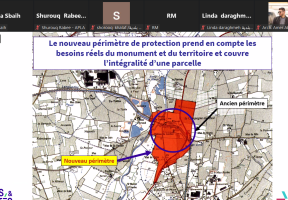
APLA has strengthened LGU active role in organizing the training programme by providing a review of efforts, experiences, and best practices in heritage management and engaging French technical advisors, trainers and specialists with relevant extensive experience. APLA examined challenges to the heritage-based local development strategy in the context of multiple crises and reviewed the best means to supervise and implement policies and initiatives aimed at conserving, studying, promoting, and publicizing heritage. As part of decentralized cooperation or pilot projects, the Association further supported the development and implementation of heritage tools, such as plans to protect old city centres. Despite budget constraints, APLA addresses challenges to the value of heritage, including human resources and needed expertise at LGUs.
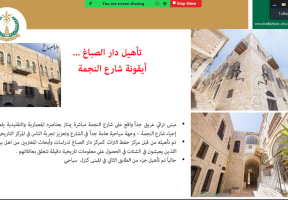
Some Palestinian LGUs shared their experiences in heritage conservation. While the Bethlehem Municipality described its experience with local heritage conservation, the Ramallah Municipality presented on cultural heritage in the Ramallah city, Ramallah Old City, and single historical buildings. Reviewing its experience in Jericho World Heritage, the Jericho Municipality addressed the UNESCO’s declaration of Tell es-Sultan as a World Heritage site. The Ministry of Local Government made a presentation on its role in supporting LGUs in cultural heritage conservation.
The training programme reflects firm belief in the important role of Palestinian LGUs in protecting, and facing all attempts to seize, local Palestinian heritage. It falls within the framework of APLA’s commitment to making policies and implementing programs in line with SDG 11: Make cities and human settlements inclusive, safe, resilient and sustainable, particularly Target 11.4: Strengthen efforts to protect and safeguard the world’s cultural and natural heritage.